If you’re thinking of doing a thru hike, especially the Pacific Crest Trail, you probably have a lot of questions about gear. Below are my honest thoughts about the gear I used, what worked and what didn’t.
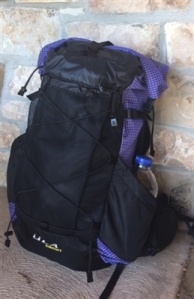 Backpack – ULA Catalyst – this pack was fantastic! I could carry a bear can horizontally in the main compartment. The mesh netting was an easy storage place for frequently used items and the elastic around the mesh was a perfect drying rack for clothes. The pack adjusted as my pack weight changed throughout each resupply. I never had any issues with chaffage. After 500 miles I switched to a smaller hip belt and the versatility of the hip belts was amazing. The hip belt pockets are big enough to carry a phone and plenty of snacks. Thank you ULA – I am never using a different pack again!
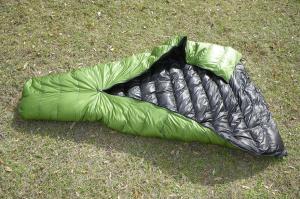 Sleeping Bag – Zpacks 20 degree quilt – jury is still out on this one. I appreciate the warmth to weight ratio but the feathers needed fluffing every night and had to be redistributed to the top of the bag before every use. Also, as it got colder in September I thought about making the bag warmer for true 3 season use. Unfortunately though, Zpacks does not offer to refill the bag to make it a zero degree bag like other companies.
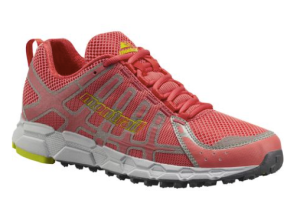 Shoes – Montrail Bajada II – I was pleasantly surprised by these shoes. The tread was still good after 700 miles and there was very little break in time needed after each new pair. The laces were a little short when tying in a lace (aka heel) lock but it was doable. Overall, I loved these shoes and have already stocked up on a few extra pairs for the years to come.
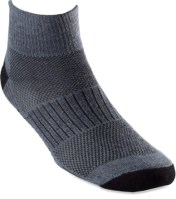 Socks– Wrightsock Cool Mesh II Quarter Socks – being a double layer sock they run warm but boy they are durable! Wrightsock advertises a “no blister guarantee” which was not the case for me but I think it is impossible to avoid some blisters when walking day after day in the heat and dirt (of the desert especially). Their 2 layer system allowed the socks to last longer – around 400 miles/pair – but also required more time to dry between washings.
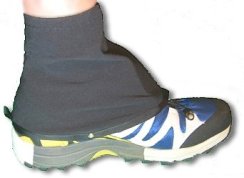 Scree gaiters – LevaGaiters – one pair lasted the entire trail! They stretched a little and would slide up my shoes once they got a hole near the stitching. I appreciate that these work with all shoes and don’t require Velcro to stay put.
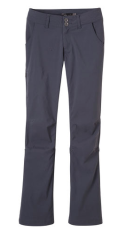 Hiking Pants – prAna Halle pants – I love these pants! They are comfortable, stretchy and dry quickly. They stretch in the waist between washings but the drawstring acts as a nice belt. Through our 1000+ downed tree section in Southern Oregon I never had to worry about hoisting up my pants to step over a log.
 Undies – Patagonia Active Hipster Briefs – sturdy and comfortable. The high waist helped prevent hip chafing. The elastic waist is thicker than other underwear and that slowed the drying process, but overall, I loved them!
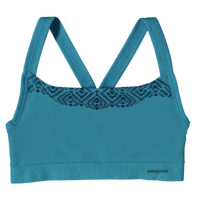 Sports Bra – Patagonia Active Mesh Bra – I have nothing but positive things to say about this bra. I wore the same bra for every mile of the trail and it still looks good. It doesn’t smell, has a few frayed pieces of elastic but still provides excellent support. I am never looking for another sports bra.
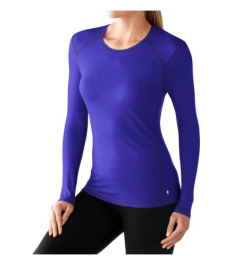 Hiking shirt for the desert – Smartwool NTS 150 Micro Base Layer Long Sleeve – This shirt was surprisingly cool in the desert. I choose the long sleeve version for sun protection and found that my sweat actually helped me stay cool. It is thin which was nice for ventilation but easily ripped. This shirt lasted less than 500 miles and had many wear holes, mainly in areas of friction on my back, within 100 miles.
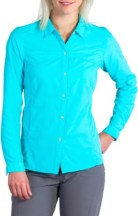 Bug proof button down shirt – ExOfficio BugsAway Breez’r shirt – Mostly bug proof and very sturdy. It was warm with limited ventilation despite the ventilation systems on the front and back. And I was still bitten through the shirt in Oregon where we encountered the worst mosquitoes. I am sure it helped ward off the mozzies but it did not keep them away entirely. This is probably because this shirt is meant to be fashionable, meaning it is tight fitting around the shoulders and arms – exactly where I was bitten.
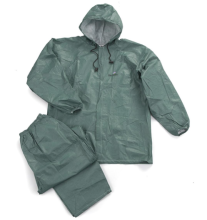 Rain Gear – Frogg Toggs Pro Lite Rain Suit – The pants are great for hiking on fire roads, but not much else. They easily snag on bushes and ripped instantly when I squatted down. They are very fragile and a lightweight option for emergencies but I would not rely on these as my primary rain pants in the future.
The jacket performed much better. It kept me dry and warm when needed. The jacket seemed to last a lot longer than the pants. On the upside, Frogg Toggs breathe better than your average rain jacket and pants.
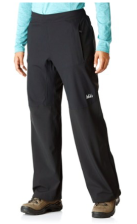 Rain Pants – REI Talusphere Pants – these pants are expensive and heavy but work well. They are high quality and very flexible. These pants also have pockets which added unnecessary weight but they did the job.
Rain jacket – Mountain Hardware Raincoat – Simply put – it did what it was supposed to do. It kept me dry. This rain jacket is a bit heavy but very sturdy.
Fleece – North face fleece – Hands down my fleece was my favorite piece of gear. It’s very old and heavier than newer fleeces but I didn’t care. It makes for a great pillow, is warm despite getting wet and was my go to item at the end of the day to get out of sweaty hiking clothes and get cozy.
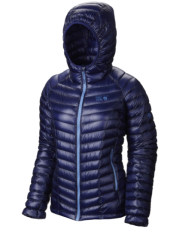 Down Jacket – Mountain Hardwear Ghost Whisperer Hooded Down Jacket – I love the hood feature. I learned that coziness is huge for me and this item was essential. The hood allowed for extra warmth and never got in the way. I think the hood would only be an issue when using a raincoat over the down jacket which I rarely did and when I did, I had both hoods up. Great, lightweight, reliable down jacket.
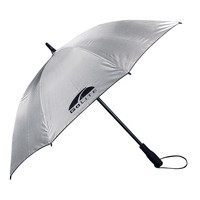 Umbrella – GoLite Chrome Dome – worked great for both rain and sun. There was only so much wind this umbrella could handle, but it was tougher than most conventional umbrellas. I never found the ideal way to attach it to the pack but it was worth its weight in the desert for sure! Since GoLite is out of business now, other manufacturers are selling the same umbrella under different names. You can find them here.
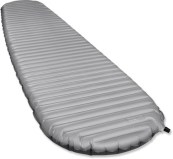 Sleeping pad – Thermarest NeoAir Xtherm – a tad heavy but warm and cozy. They are noisy at night but worth it and when you are the one moving around you don’t notice the noise. It’s durable and well made.
I started with the Exped Synmat Hyperlight air pad, which was very comfortable but the baffles burst. Eventually the risk of sleeping on a mound of a burst baffle wasn’t worth the comfort, so we exchanged them for the NeoAir Xtherm.
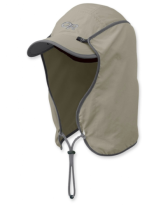 Hat – Outdoor Research Sun Runner hat – not the most fashionable or flattering but functional. The drawstring helped keep the hat on during windy days.
 Sunglasses – Pepper’s Wild Thing Polarized Sunglasses – They lasted the entire hike, worked great and looked good! The lenses got scratched but that is because I dropped them and ran into quite a few branches. The polarized lenses made all the colors on the trail more vibrant.
Pee rag – initially I didn’t understand the purpose of this but I carried it anyway. I would forget to grab it before I went for a squat. Eventually I found a rhythm. I hooked it to the ice axe loop of my pack where I could grab it before or after I peed. The pee rag caught the extra drips and kept my underwear smelling better for longer.
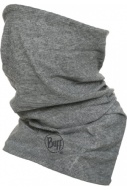 Buff – Bugproof model – makes the best pillow case. Every night I rolled my fleece and down jacket and stuffed them in the buff for a perfect pillow. It didn’t slide and kept its shape to allow for a great nights sleep.
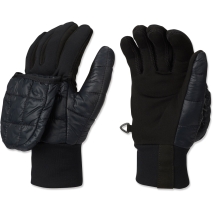 Gloves – Mountain Hardwear Grub gloves – these disappointed. They weren’t as warm as they looked. There was no way to attach the mitten portion when using the liner fingers so the flap just got in the way.
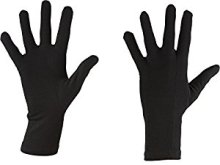 Cold weather gloves – Ice Breaker Glove liners – These gloves are warm and functional. Using them with trekking poles caused them to thin and get holes where they rubbed against the trekking pole grips but gear can only last so long. I plan to invest in another pair when these are no longer functional.
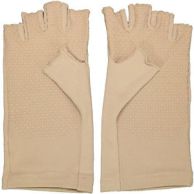 Sungloves – Coolibar fingerless gloves – the original ones worked great. They got holes but were easily sewn. The 2nd version were too thin and got holes very quickly. I am now using the third generation which are thicker and seem to be lasting longer.
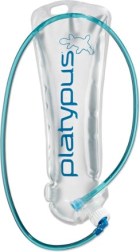 Hydration Bladder – 3 liter platypus bladder– I used the same 3 liter bladder for the entire 6 months. I was surprised it lasted but we were very careful about where we placed our packs. The 3 liter capactity was nice in the desert when longer water carries were necessary. For majority of the trail I carried 1-2 liters and the extra capacity led to more air that had to be sucked through before accessing the water. If I were to do it again, I would carry the 3 liter bladder through the desert and switch out to 1 liter platypus for the remainder of the hike.
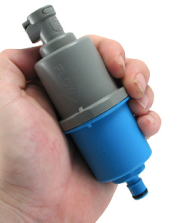 Water Filter – Sawyer 3 Way Inline Filter – bulky but worked great. It maintained a better flow rate than the Sawyer Mini and required less cleaning. We never found a good method to back flush it though – neither the sawyer squeeze bottles nor the syringe fit well on the tip. But with 4 hands we managed.
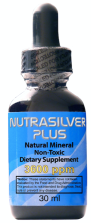 Water Purification – NutraSilver Colloidal Silver – We used Nutrasilver for all our dinner water because we didn’t want to boil our water or waste time squeezing SmartWater bottles. One drop of this stuff in one liter of water is all it takes to kill all bacteria, protozoa and other nasties. Simple and effective. I didn’t get sick once!
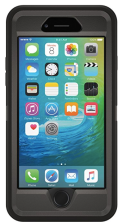 Smartphone – iPhone 6 Plus in Otterbox Defender Case – The phone and case both worked great the entire trail. I bought the 64gb iPhone to accommodate the apps and have all the memory I could want for the photos I’d be taking. I No issues with the phone at all.
And with many tumbles, the phone only has one crack in the screen cover thanks to the case. I put my own screen cover on it and tore off the plastic screen the case comes with because I couldn’t handle the decreased accuracy when using the keyboard. This meant the case was no longer water proof but when it poured I placed my phone in my raincoat or a ziplock bag anyway.
If you have any questions, comments or want my opinion on items not reviewed here, please leave a comment below or send me an email.
You can find our Shared Items gear review here and Andy’s gear review here.

 Postagram
 afamilyoutside